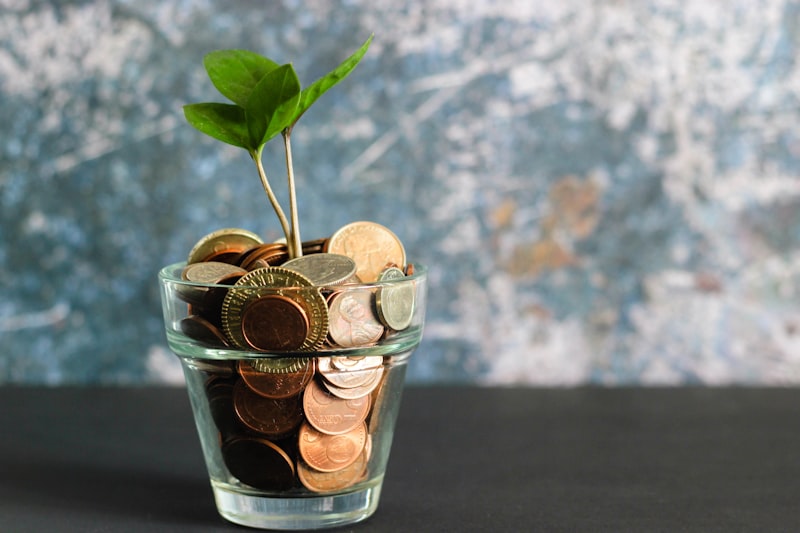
The cheques are flowing again. Indian startup funding rounds are picking up after the long, brutal correction of 2023-24. But founders walking into investor meetings today are entering rooms with completely different rules than they remember. The capital is back. The game has changed.
Profitability isn't a goal. It's table stakes.
In 2021, "path to profitability in five years" was a perfectly serious slide in a Series B deck. In 2026, it is a deal-killer. The current generation of investors — having lived through the markdown cycle — wants to see either profitability already, or a believable, near-term path of 6-12 months. Anything longer is treated as wishful thinking.
This is not just a sentiment shift. Term sheets now routinely include profitability milestones tied to tranche releases. Founders who would have raised $30M in one shot two years ago are now being given $10M with the next $20M conditional on hitting EBITDA thresholds. The capital is the same. The patience is not.
The founders who are raising fastest right now are the ones who didn't need to raise.
Valuation discipline is real this time
The 2021 ZIRP-era multiples — 30-50x ARR for SaaS, 8-12x revenue for D2C — are gone. The current ranges, broadly, are 12-20x ARR for top-quartile SaaS and 3-5x revenue for D2C with strong unit economics. Founders anchored to old valuations are watching their rounds extend by quarters as they argue with the market.
The down-round taboo is breaking
For years, founders treated down rounds as existential. The signalling was so toxic that companies would burn through cash bridges for years rather than reset valuations. That is changing. Smart founders are now treating valuations as inputs to be reset when reality changes — not identities to defend.
Where the new capital is actually going
The composition of funding has shifted dramatically. Three categories are getting most of the new capital:
- AI applications — particularly vertical AI for sectors like legal, healthcare, and finance. Horizontal AI bets are being viewed sceptically because everyone assumes the foundation models will eat the value.
- Indian-market-first businesses — companies built specifically for Bharat consumers, not exports of Western models. The "India first, world later" framing has finally won.
- Profitable rollups — PE-style consolidation plays in fragmented sectors are attracting capital that historically went to growth-stage venture.
What founders should do differently
The biggest mental shift required is treating capital as expensive again. The 2021 founder mindset — "raise more than you need, deploy aggressively, win the market" — actively destroys companies in 2026. The winners are running disciplined burn, doing more with less, and treating each round as the last one until proven otherwise.
The funding winter taught founders survival. The current environment is teaching them something more useful: the discipline that survives any cycle.
Frequently asked questions
What is this article about?
This piece covers funding winter is over - but the game has changed — what's actually happening, why it matters, and what the practical takeaways are for readers.
Who should read this?
Anyone interested in startups who wants more than headline-level coverage.
How often is this content updated?
We revisit our analysis pieces when the underlying facts change materially. The publish date at the top reflects the most recent significant update.
Can I share or republish this article?
You're welcome to share the link freely. For full republication or syndication, please reach out via our contact page.